


Education, Science
STRETCH AND GO! | Elastic Potential Energy Experiment
Apr 09, 2020
Build this elastic-powered helicopter craft with us and learn about how energy can be stored in elastic materials!
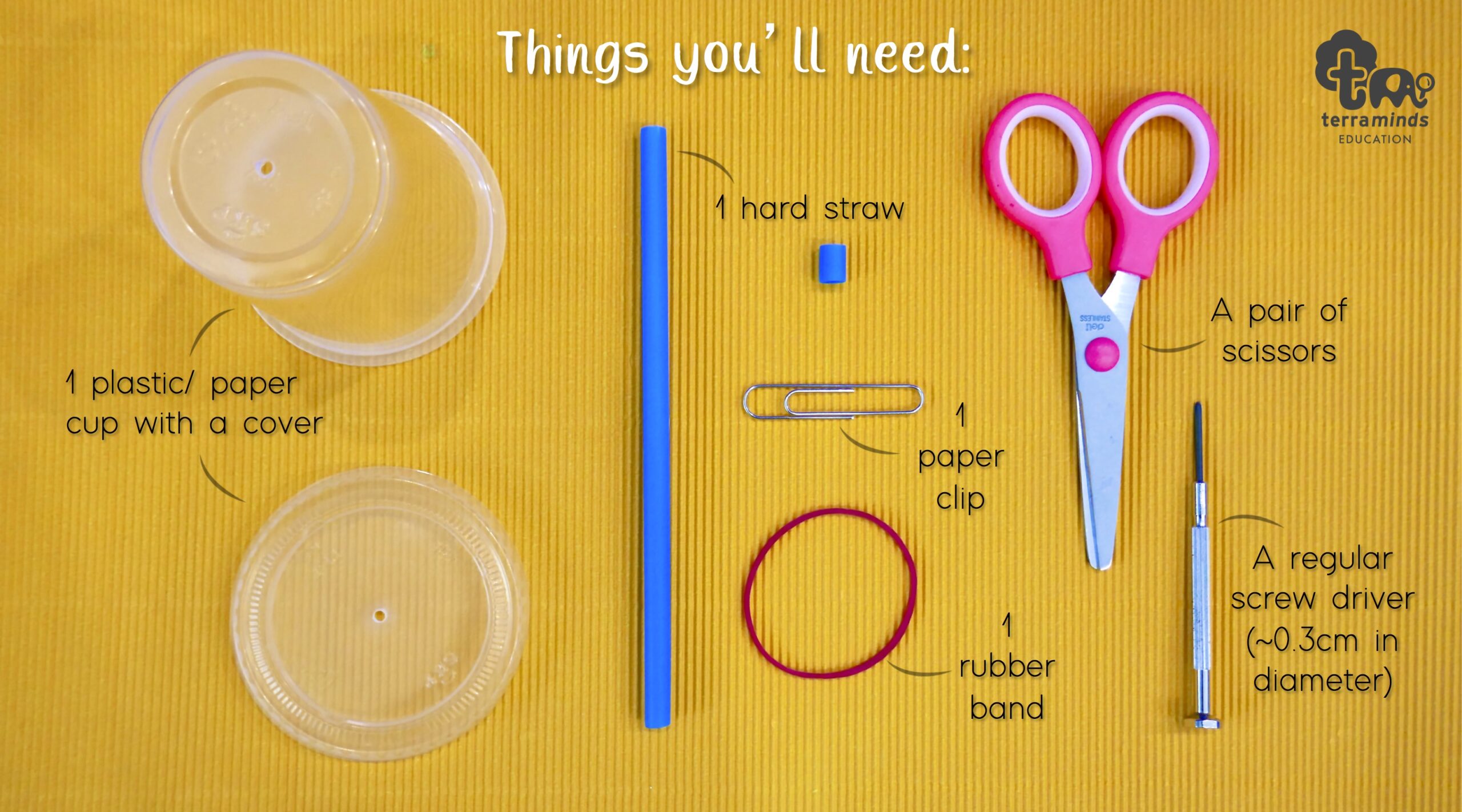
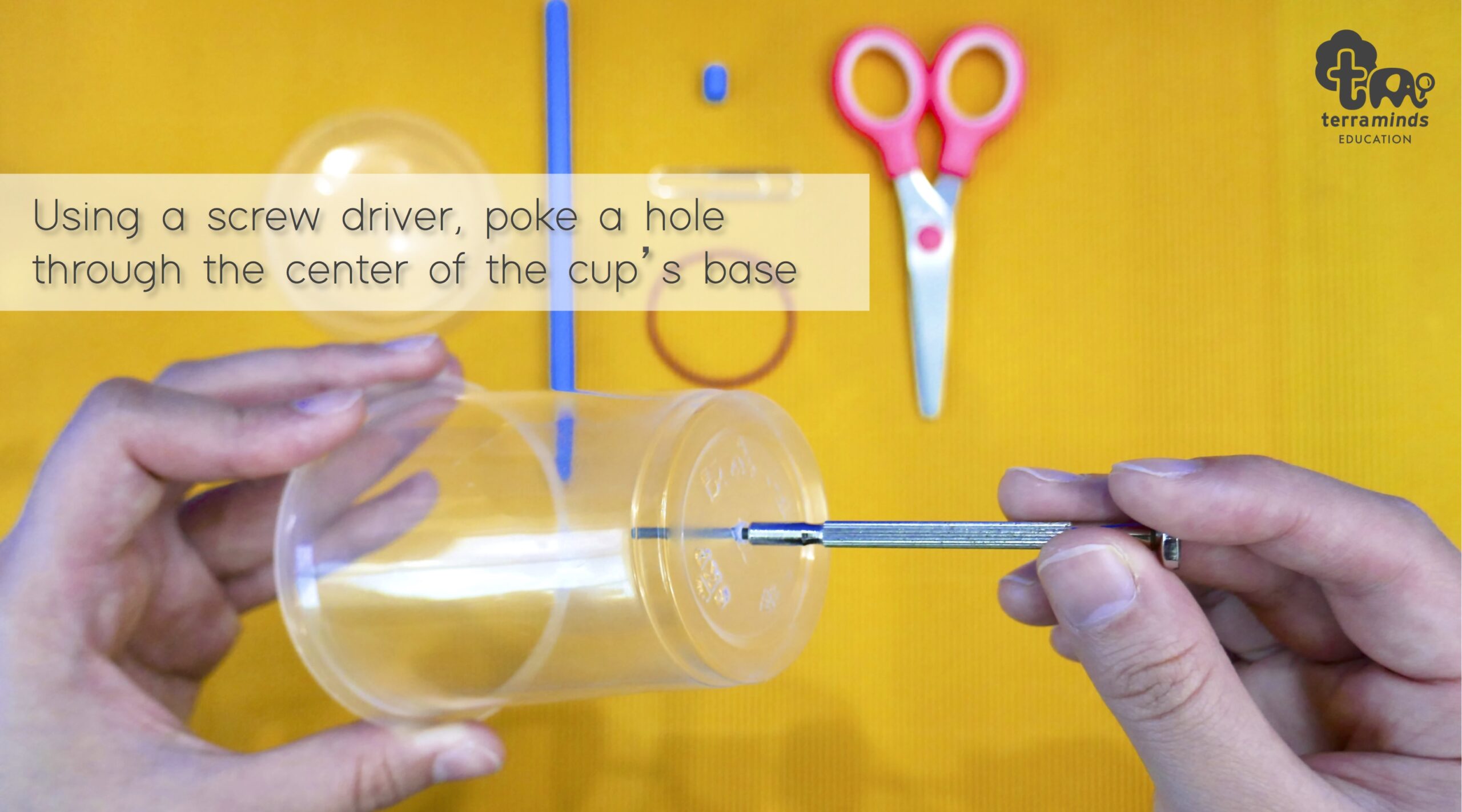
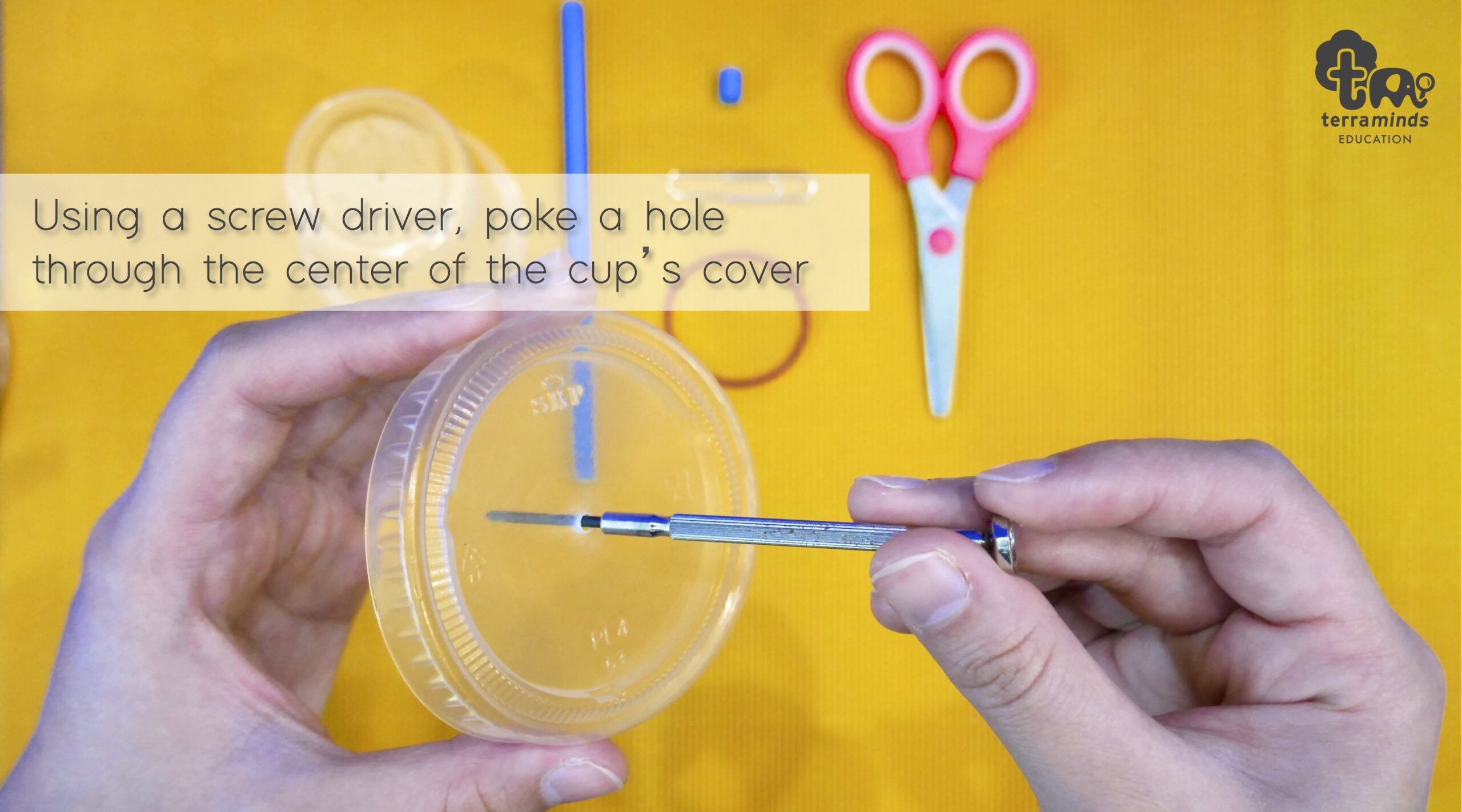
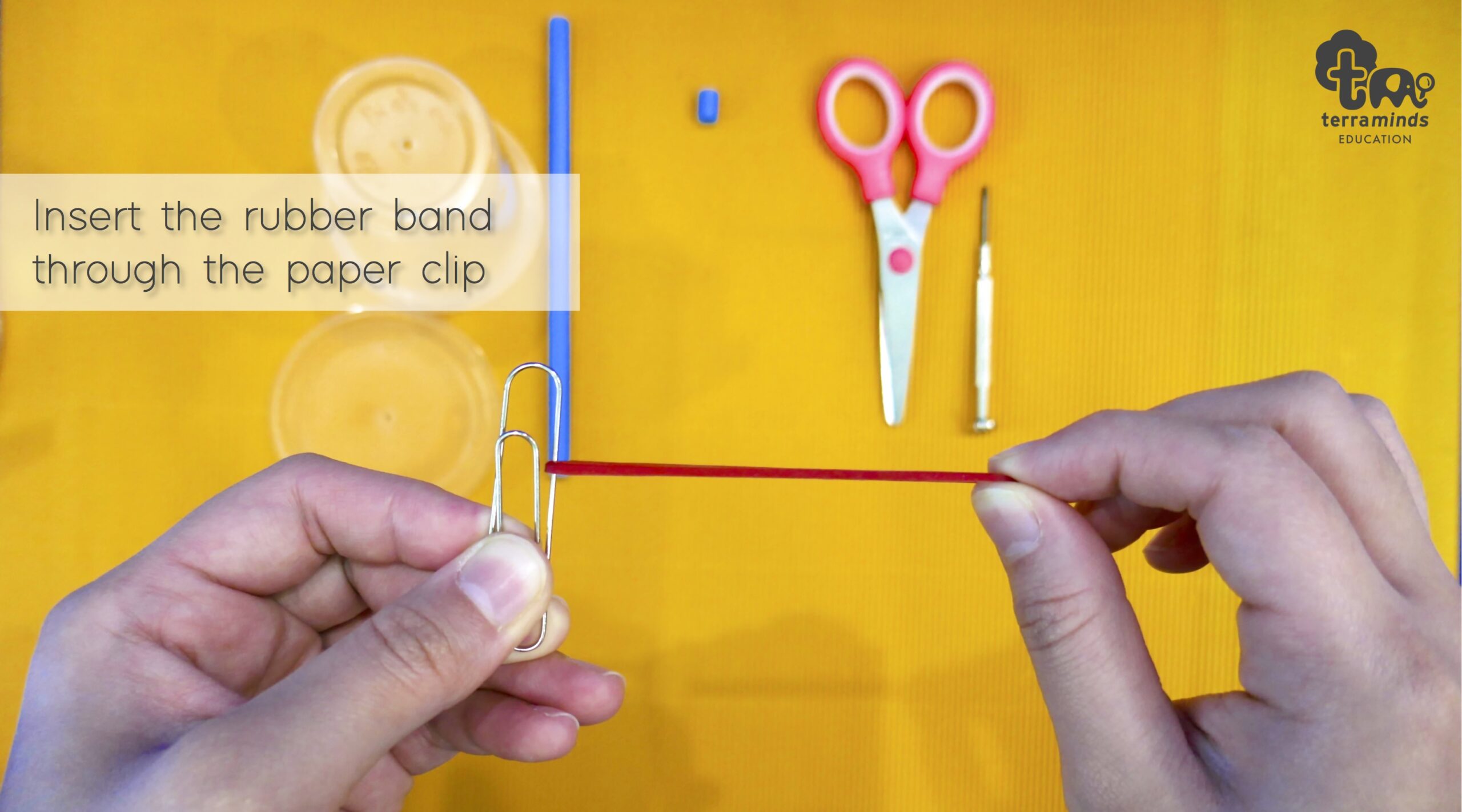
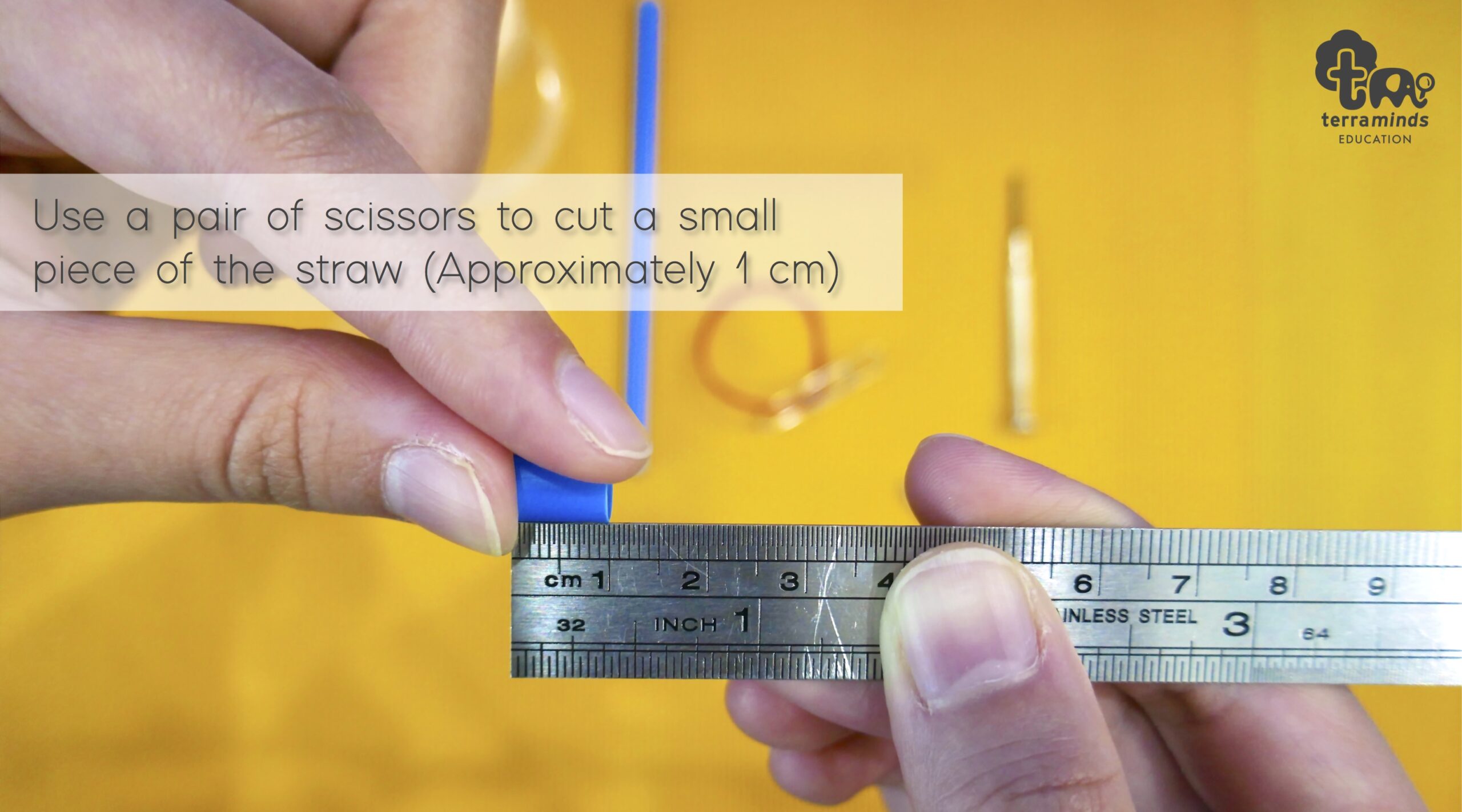
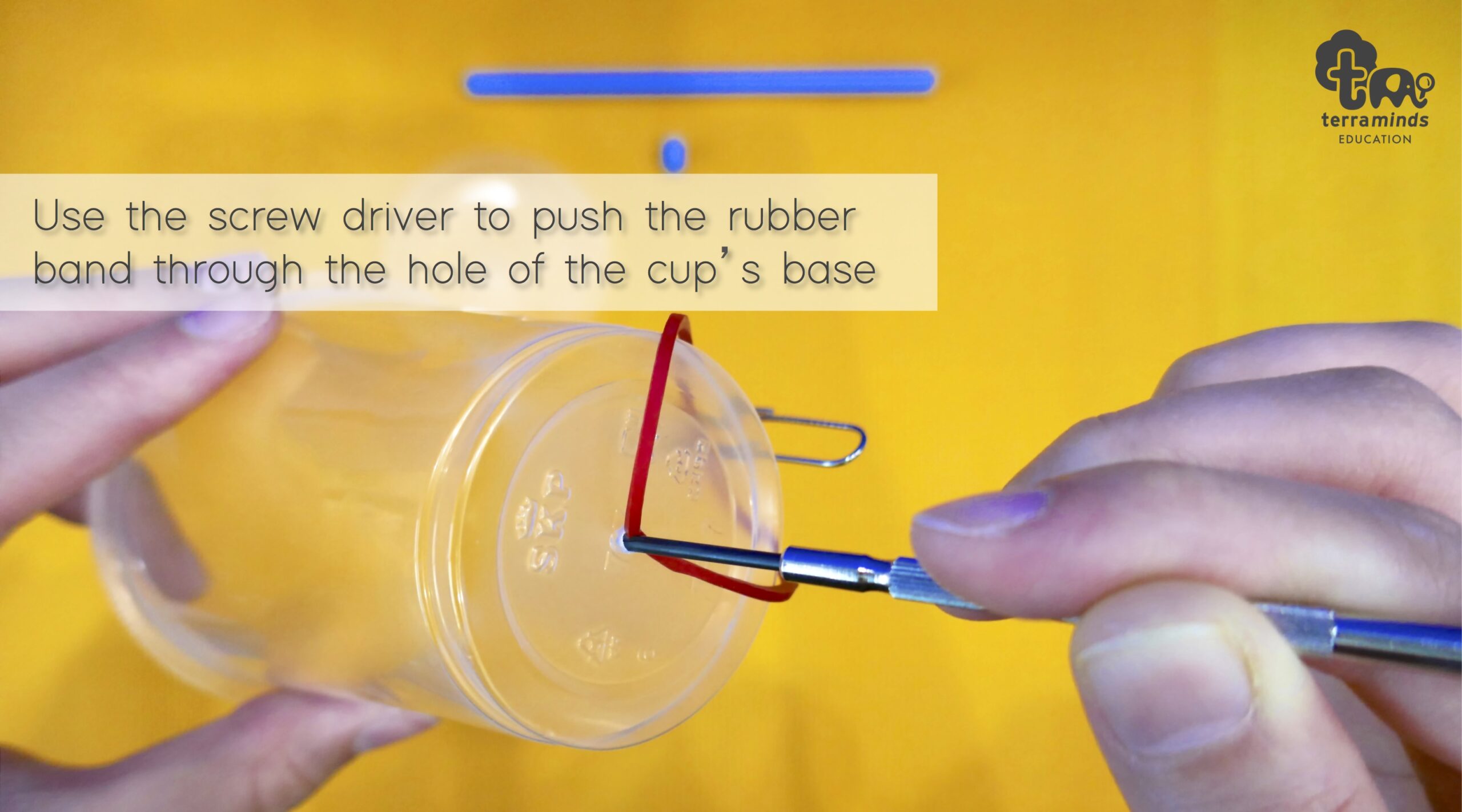
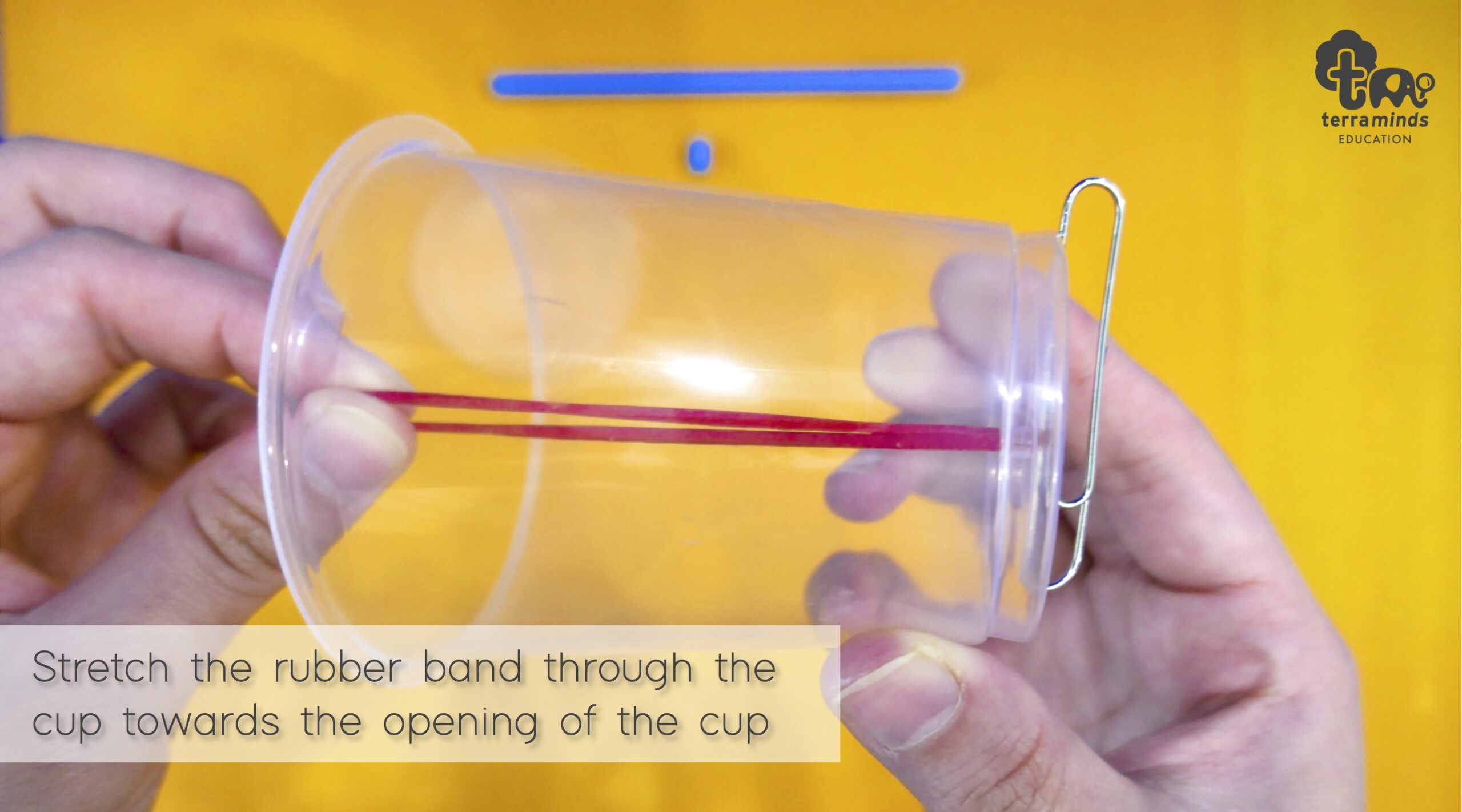
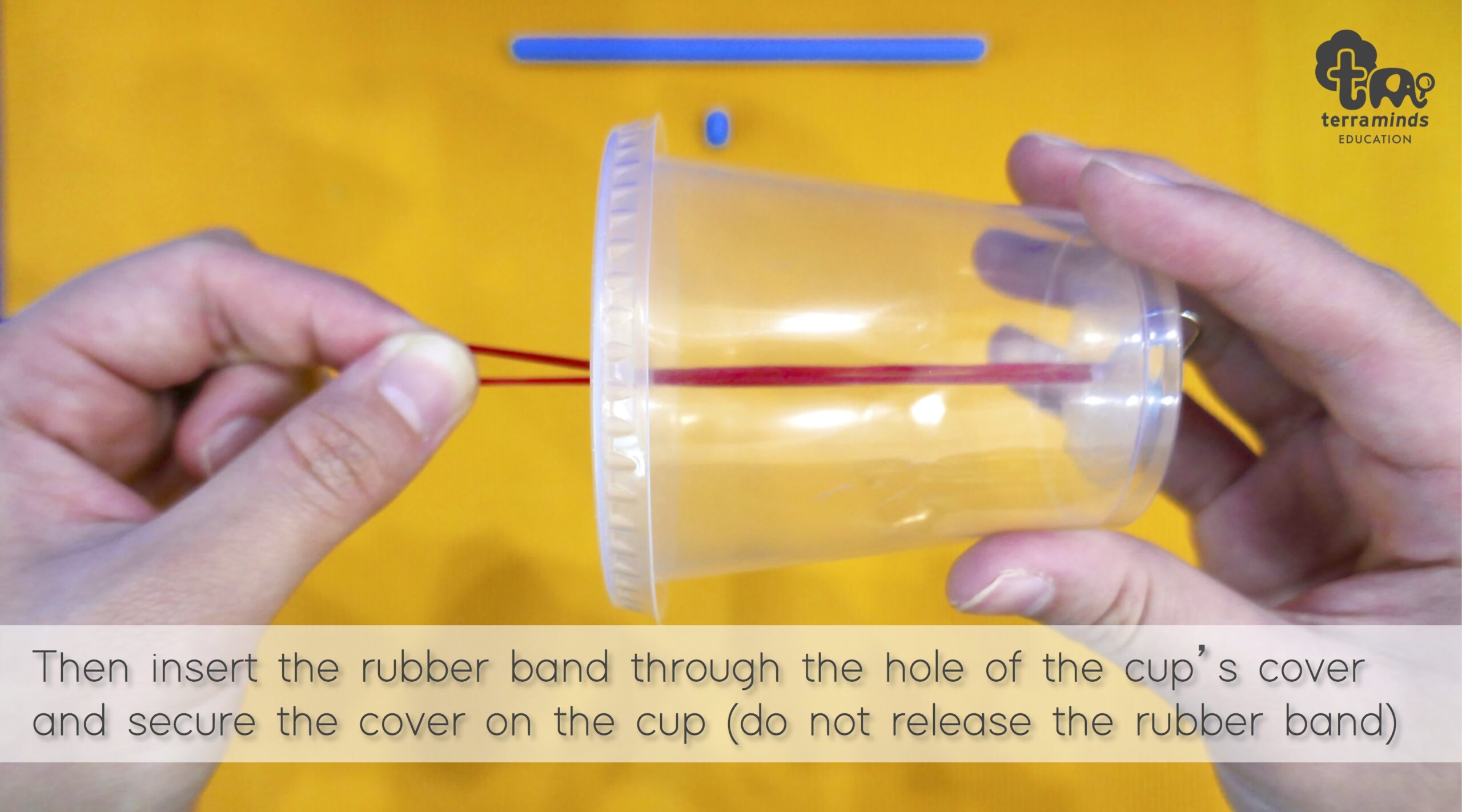
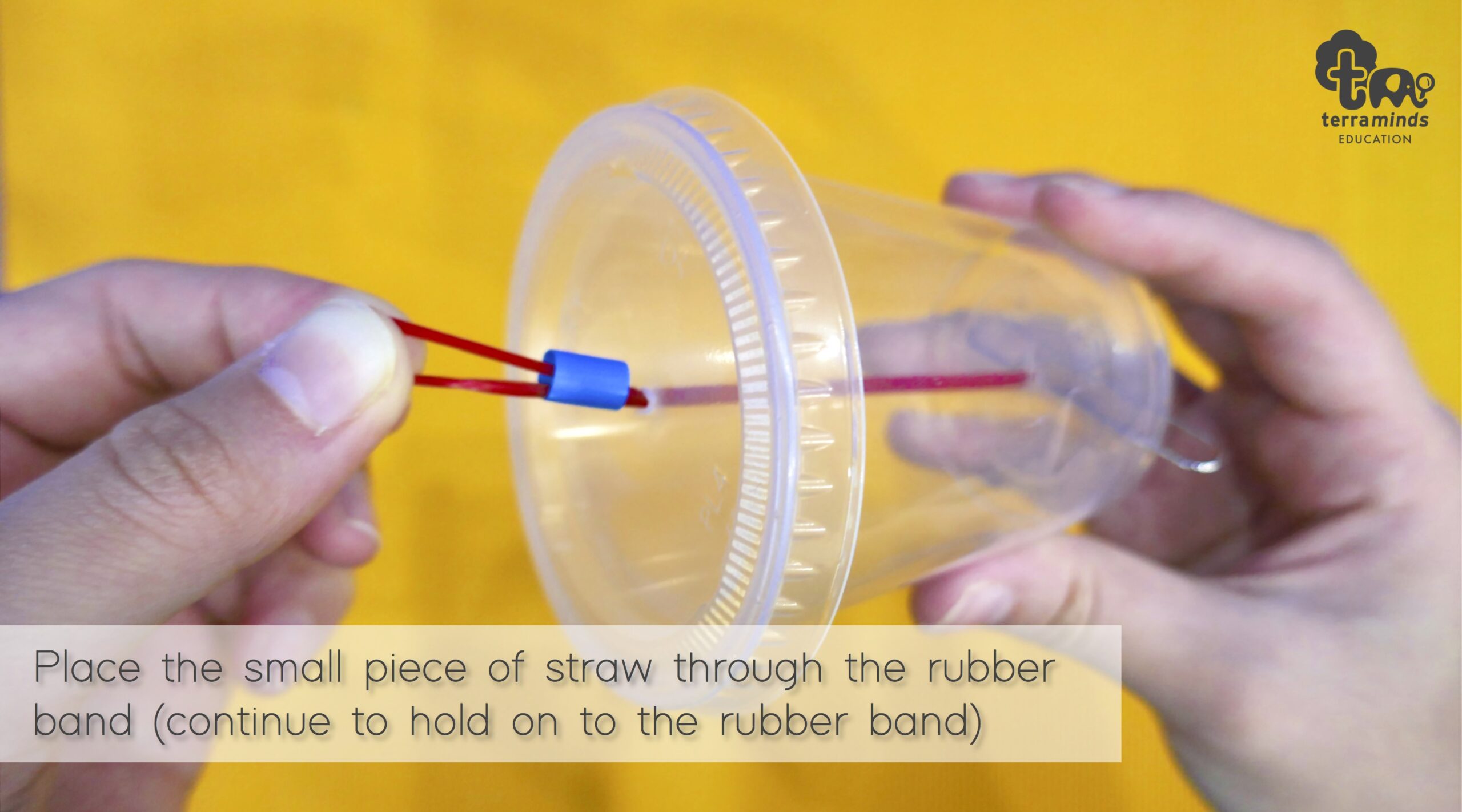
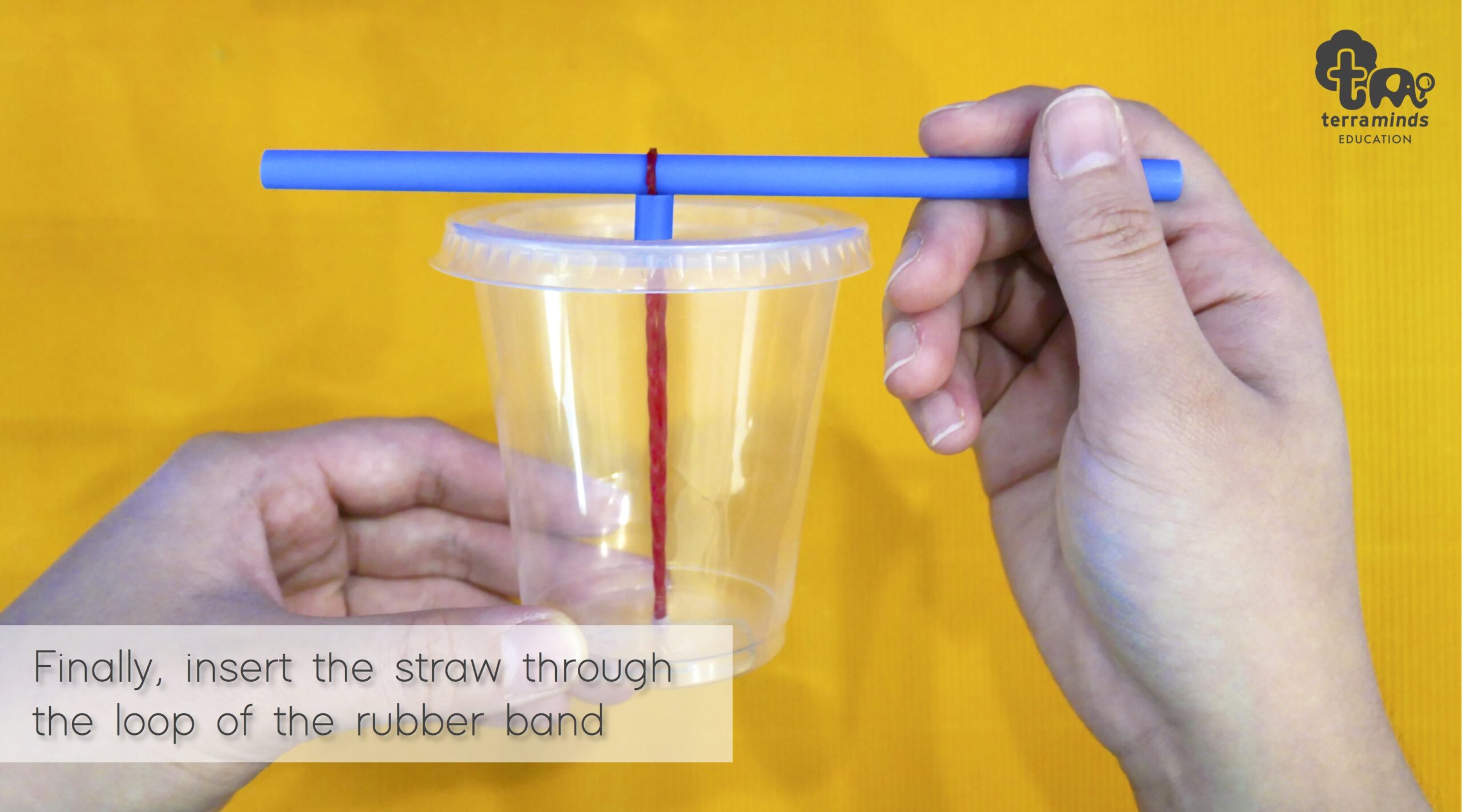
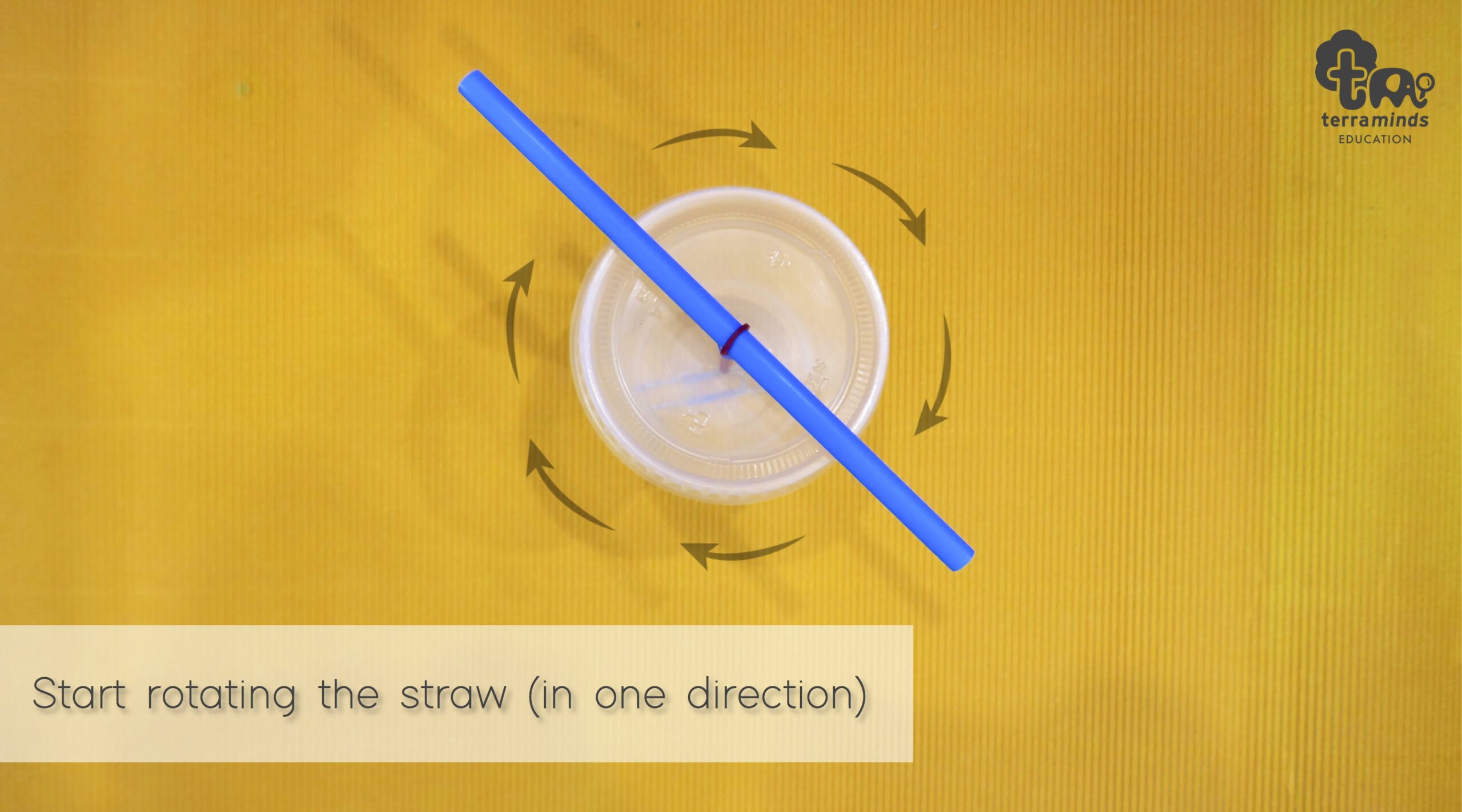
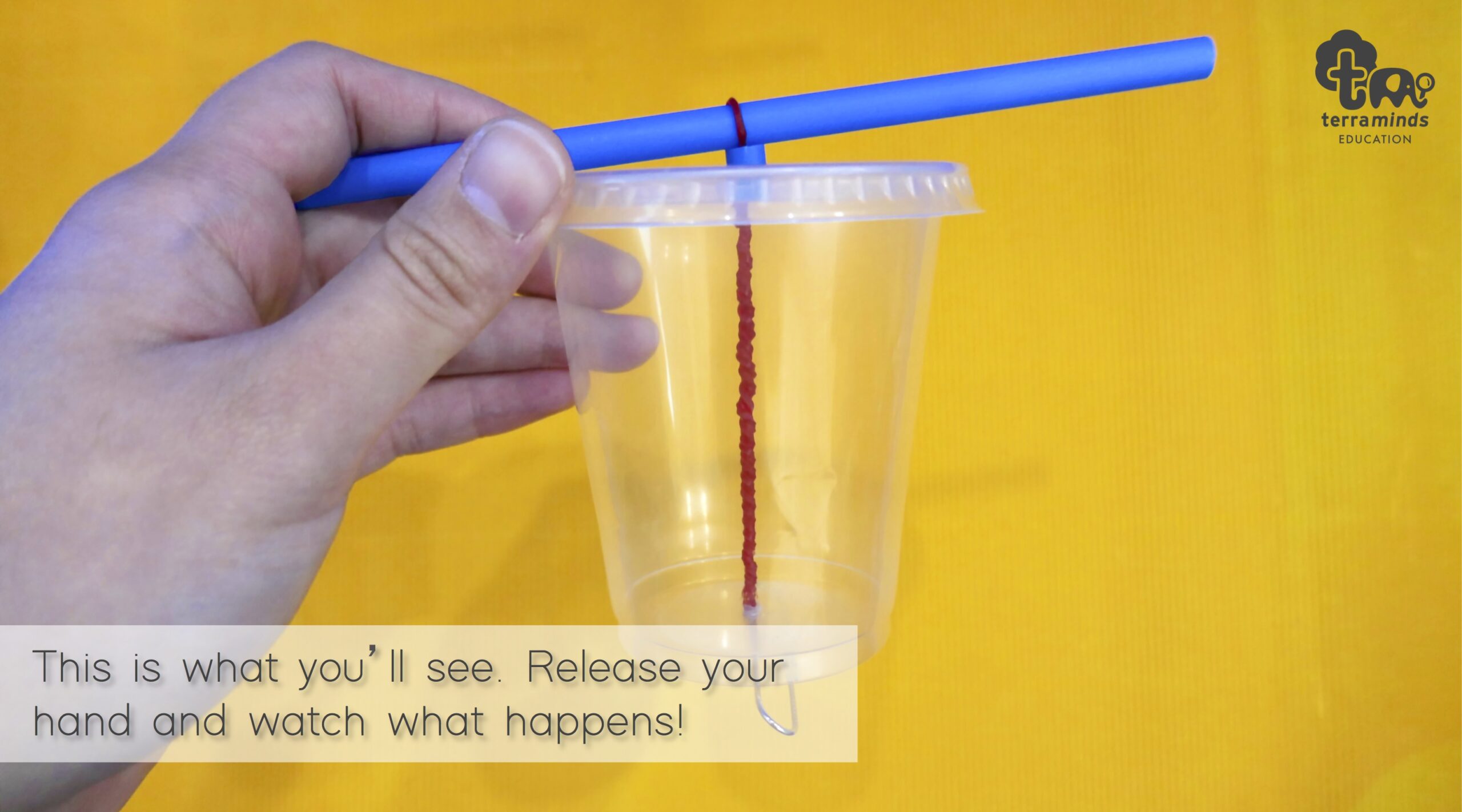
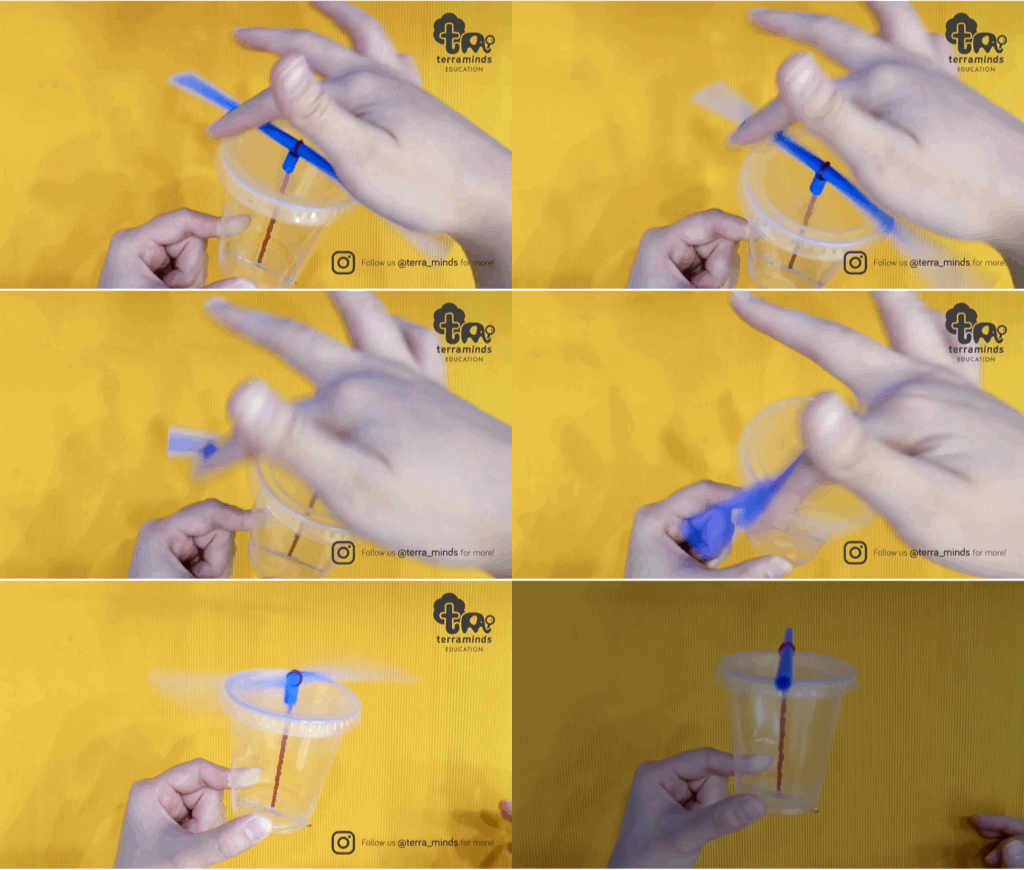
Get creative and decorate the cup into a helicopter! You can also add blades onto the spinning straws and make a functional, elastic-powered handheld fan!
Elasticity – what does it mean?
Elasticity refers to the ability of solid objects to return to their original shape after being pressed, pulled or twisted. Objects that are elastic have high elasticity and will bounce and snap back very easily after being deformed!
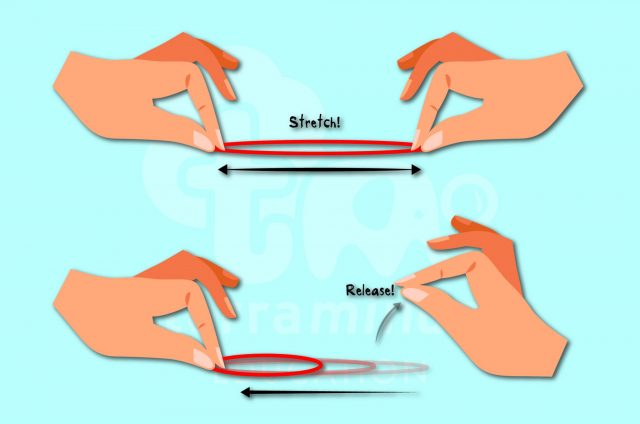
As these elastic materials snap back to their original form, they produce an elastic force which is useful in many ways! With elastic force, we can hold a packet of chicken rice closed using an elastic rubber band or keep our clothes hanging securely on the clothesline with a peg. Where does this force come from?
Unleash the elastic power!
When we pull to stretch a rubber band, energy is stored in it. This energy is called elastic potential energy. The more you stretch the rubber band, the more energy it has.
Wind-up toys work the same way too! When you turn the crank, the elastic clock spring coil in the toy get twisted more and more, building up the elastic potential energy. The more you twist, the more energy it has, the longer the toy moves!
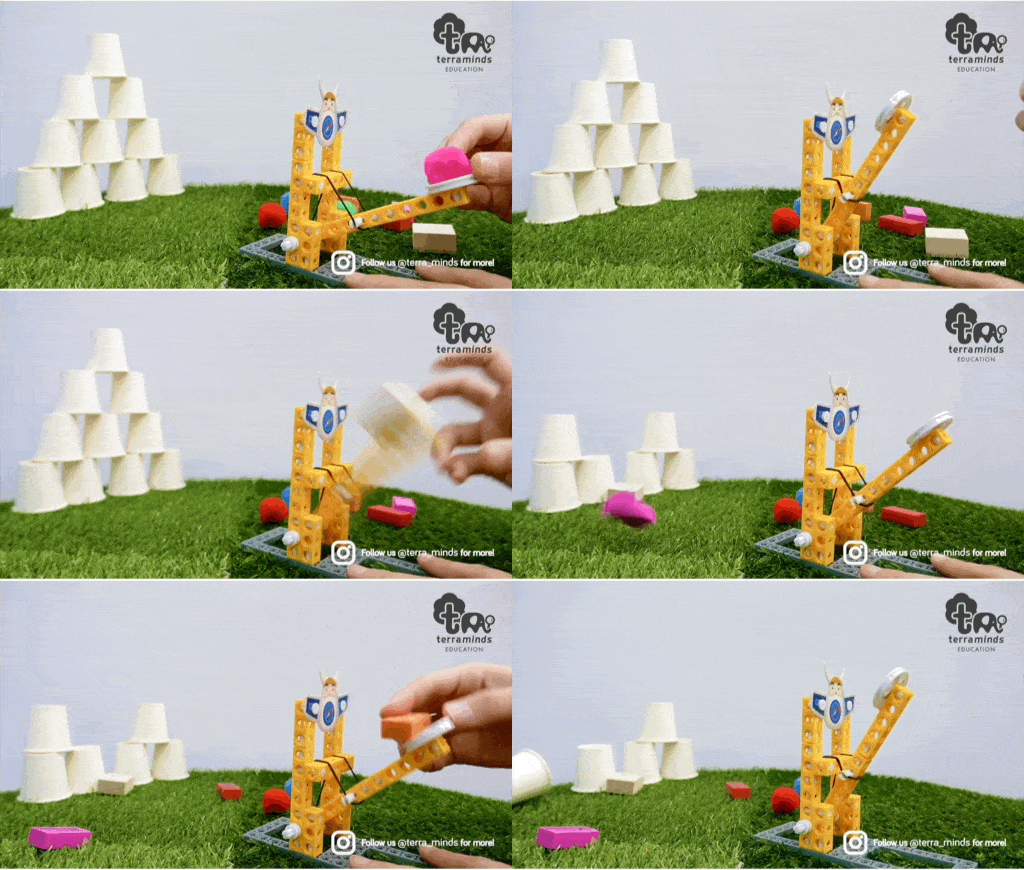
Learn more about ELASTIC POTENTIAL ENERGY with our Catapult Science Kit!
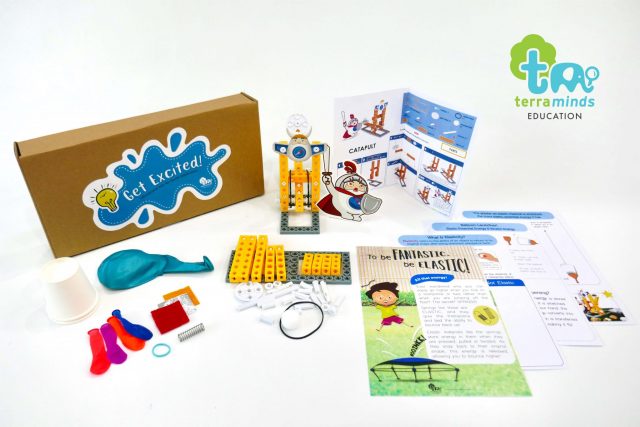

What’s in the box:
- Catapult toy
- Step by step building instructions for the toy
- HOT! Experiment Pack
- Worksheet to guide your learning journey
Science concepts:
- Elasticity
- Elastic & non-elastic materials
- Elastic potential energy
- Kinetic energy
What do you learn:
The use of elastic potential energy began way back in medieval times. To attack other castles, massive catapults were created to exert a huge amount of elastic potential energy and kinetic energy!
Build your very own catapult and launch a projectile at your “enemies”! Control the range of your projectile by varying the amount of force used to load the catapult. Identify where elastic potential energy and kinetic energy are stored in the different parts of the catapult. Ready, set, launch!
For the HOT! (Hands-on-Time) segment, explore elastic and non-elastic objects. Construct a DIY launcher with cups and balloons. These activities allow you to explore how elastic potential energy is converted into kinetic energy. Have fun!
Activities:
- Build a catapult
- Experiment with elastic and non-elastic materials
- Construct DIY balloon launcher
- Worksheet
Useful Links
Videos:
- Energy | The Dr. Binocs Show | Educational Videos For Kids
https://www.youtube.com/watch?v=Q0LBegPWzrg - Battle Castle: host Dan Snow shoots a ballista at Caerphilly Castle
https://www.youtube.com/watch?v=aJd6fxUfv_Y - Mangonel Siege Artillery – Battle Castle with Dan Snow
https://www.youtube.com/watch?v=yi4p8ZR4n28 - Trebuchet Siege Artillery – Battle Castle with Dan Snow
https://www.youtube.com/watch?v=pR26RMI9T8c - How to Build a Trebuchet | MythBusters
https://www.youtube.com/watch?v=9-Hwxw4fgqk
Books on Amazon:
Your Next Readings